Oct 06, 2025
7 min read
5 Best Snacks for Better Sleep in 2025
Tossing and turning instead of drifting off to sleep? The solution might be hiding in your kitchen. Finding a bedtime snack that curbs hunger without disrupting your rest can be tricky, but the right choice can significantly improve your sleep quality. Discover how to leverage the power of specific foods for a more peaceful night.
What Makes a Snack Good for Sleep?
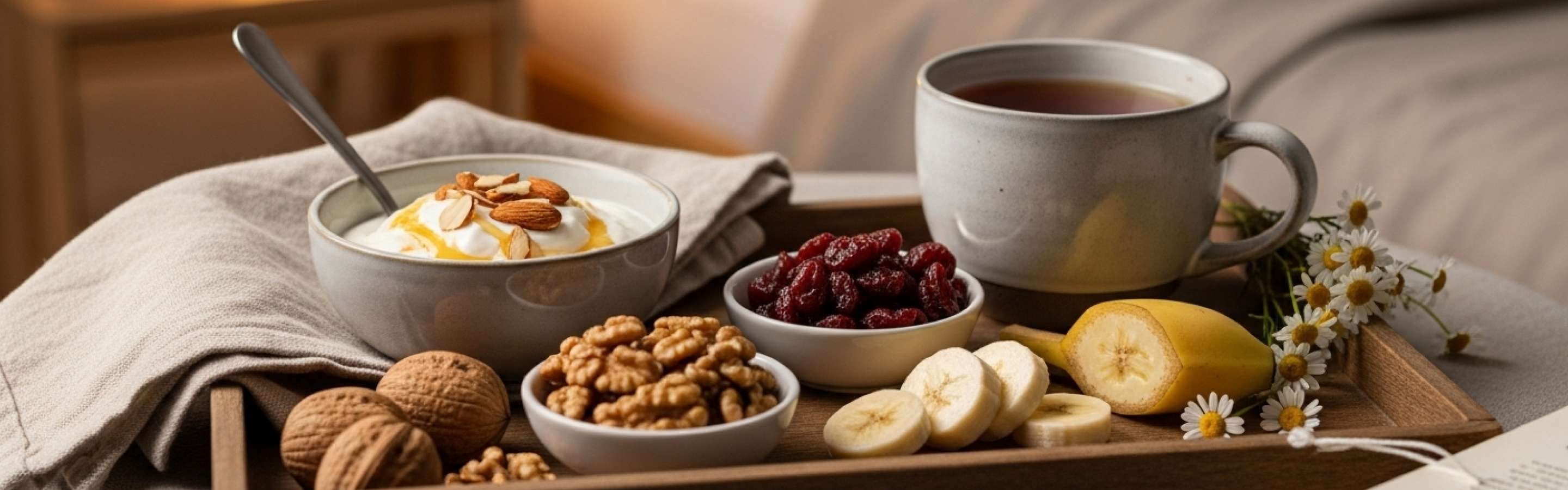
The best sleep-promoting snacks share a common trait: they contain specific nutrients that help regulate the body's sleep-wake cycle. Key compounds include tryptophan, an amino acid that the body uses to produce serotonin and melatonin; melatonin, the primary hormone that signals your brain it's time to sleep; and magnesium, a mineral that helps calm the nervous system and relax muscles. An ideal bedtime snack combines a small amount of protein with complex carbohydrates. This pairing helps tryptophan cross the blood-brain barrier more effectively while also preventing blood sugar spikes that can disrupt sleep. The goal is to provide your body with the building blocks for rest, not to weigh it down with a heavy meal.
A Guide to the Top 5 Sleep-Promoting Snacks
This list highlights five simple and effective snacks renowned for their sleep-enhancing properties, making them excellent choices for your 2025 nighttime routine.
1. Almonds
- Key Nutrients: Magnesium, Tryptophan, Melatonin
- Why It's a Top Pick: A small handful of almonds is a nutritional powerhouse for sleep. They are an excellent source of magnesium, which is crucial for muscle relaxation and stress reduction. They also provide some protein to keep you full and contain a natural source of the sleep hormone melatonin, making them a near-perfect bedtime snack.
- https://www.usda.gov/
2. Tart Cherries
- Key Nutrients: Melatonin, Antioxidants
- Why It's a Top Pick: Tart cherries, particularly in juice form, are one of the few natural food sources of melatonin. Studies have shown that consuming tart cherry juice can increase sleep time and improve sleep efficiency. It's a natural way to boost your body's melatonin levels just before bed.
- https://www.sleepfoundation.org/
3. Chamomile Tea
- Key Nutrients: Apigenin (Antioxidant)
- Why It's a Top Pick: This caffeine-free herbal tea has been used as a sleep aid for centuries. Chamomile contains an antioxidant called apigenin, which binds to specific receptors in the brain that may decrease anxiety and initiate sleep. A warm cup provides a calming ritual to help you wind down.
- https://www.nccih.nih.gov/
4. Kiwi
- Key Nutrients: Serotonin, Antioxidants, Folate
- Why It's a Top Pick: This fuzzy fruit is surprisingly effective for sleep. Kiwis are rich in serotonin, a neurotransmitter that helps regulate the sleep cycle. Research has suggested that eating one or two kiwis an hour before bed can help you fall asleep faster and stay asleep longer.
- https://www.eatright.org/
5. Walnuts
- Key Nutrients: Melatonin, Magnesium, Omega-3 Fatty Acids
- Why It's a Top Pick: Walnuts are another excellent food source of melatonin. They also contain magnesium and healthy omega-3 fats, which can contribute to better sleep and overall health. A small handful provides a satisfying crunch and the necessary nutrients to support a restful night.
- https://fdc.nal.usda.gov/
Key Resources for Sleep Health
To learn more about the science of sleep and nutrition, these resources offer credible, in-depth information.
| Resource Type | Description | Link |
| Governmental Health Org. | The CDC provides comprehensive data and guidelines on sleep hygiene and its impact on public health. | CDC Sleep Health |
| Non-Profit Foundation | An organization dedicated to sleep education, offering articles and advice on all aspects of sleep. | Sleep Foundation |
| Professional Association | The leading organization of food and nutrition professionals, offering evidence-based dietary advice. | Academy of Nutrition and Dietetics |
Typical Nutritional Content of Sleep Snacks
This table provides a general estimate of the key sleep-promoting nutrients in a standard serving size.
| Snack (Serving Size) | Calories (Approx.) | Magnesium (% Daily Value) |
| Almonds (1 oz / 28g) | 164 | ~20% |
| Walnuts (1 oz / 28g) | 185 | ~11% |
| Kiwi (1 medium fruit) | 42 | ~4% |
Disclaimer: Nutritional values are approximate and for informational purposes. Actual content can vary based on the specific product and preparation. Please consult nutritional labels for precise information.
How to Snack Smartly for Better Sleep
- Mind the Timing: Eat your snack 30-60 minutes before bed. This gives your body time to digest without being too active when you lie down.
- Keep Portions Small: Aim for a light snack around 150-200 calories. The goal is to satisfy hunger, not to eat a full meal.
- Avoid Sleep Disruptors: Steer clear of caffeine, excessive sugar, spicy foods, and alcohol in the hours before bed, as they can all interfere with your sleep cycle.
- Create a Routine: Pairing your snack with another relaxing activity, like reading or drinking chamomile tea, can signal to your brain that it's time to wind down.
Common Misconceptions About Bedtime Eating
- Myth: "Eating anything before bed is bad for you."
- Reality: While large, heavy meals should be avoided, a small, strategic snack can actually stabilize blood sugar and promote better sleep.
- Myth: "Alcohol helps you sleep."
- Reality: Alcohol may make you feel drowsy initially, but it disrupts the quality of your sleep later in the night, leading to a less restorative rest.
- Myth: "A big glass of water before bed is a good idea."
- Reality: While hydration is important, drinking too much liquid right before bed can lead to multiple bathroom trips, fragmenting your sleep.
FAQ
- Do these snacks work for everyone?
- While the nutrients in these foods are scientifically linked to sleep, individual results can vary. It's best to see what works for your body.
- Can these snacks cure insomnia?
- No. These snacks can support a healthy sleep routine but are not a cure for chronic insomnia or other sleep disorders. Consult a healthcare professional for serious sleep issues.
- Are these snacks okay for kids?
- Yes, in appropriate portion sizes, these snacks are generally healthy and safe for children. Avoid giving whole nuts to very young children due to choking hazards.
Conclusion
In 2025, optimizing your diet for better sleep is a simple and effective wellness strategy. By choosing snacks rich in melatonin, magnesium, and tryptophan—like almonds, kiwi, or walnuts—you can naturally support your body's sleep cycle. A small, smart snack is not just about curbing midnight hunger; it's about providing the essential nutrients that pave the way for a deeper, more refreshing night's rest.
Sources & Useful Links
- USDA: https://www.usda.gov/
- Sleep Foundation: https://www.sleepfoundation.org/
- National Center for Complementary and Integrative Health: https://www.nccih.nih.gov/
- Academy of Nutrition and Dietetics: https://www.eatright.org/
- USDA FoodData Central: https://fdc.nal.usda.gov/
- Centers for Disease Control and Prevention (CDC): https://www.cdc.gov/sleep/
Disclaimer
All content on croxy.io is provided for informational purposes only and does not constitute professional advice or recommendations. We do not guarantee the accuracy or completeness of the information; any actions based on it are taken at your own risk. croxy.io is not responsible for the content, services, or privacy policies of third-party resources linked from this site. By using this website, you agree to these terms. Learn more in our privacy policy.