Oct 04, 2025
4 min read
Fat Removal: A Guide to Losing Weight
Tired of stubborn fat that resists diet and exercise? You're not alone. Many seek ways to achieve a more contoured physique when lifestyle changes aren't enough. Discover how various fat removal methods can help you reach your body goals.
What is Body Contouring and Why It Matters
Body contouring, often referred to as fat removal, encompasses a range of procedures designed to reshape and contour specific areas of the body. It is crucial to understand that these treatments are not weight-loss solutions. Instead, they target and eliminate localized pockets of stubborn fat that are difficult to get rid of through traditional methods like diet and exercise.
The primary goal of body contouring is to improve the body's proportions and create a smoother, more defined silhouette. Common treatment areas include the abdomen, flanks (love handles), thighs, upper arms, and the area under the chin. For individuals who are close to their ideal body weight but struggle with these problem areas, fat removal procedures can provide a significant boost in confidence and help them feel more comfortable in their own skin.
Key Types of Fat Removal Procedures
Fat removal procedures are broadly categorized into surgical and non-surgical options. Each approach has distinct characteristics in terms of invasiveness, recovery, and results.
| Feature | Surgical (e.g., Liposuction) | Non-Surgical (e.g., CoolSculpting, SculpSure) |
| Invasiveness | Highly invasive, requires incisions and anesthesia | Minimally invasive or non-invasive, no incisions |
| Results Timeline | Immediate, dramatic results (fully visible after swelling subsides) | Gradual results, visible over 2-4 months |
| Downtime | 1-2 weeks of recovery, with activity restrictions for longer | Minimal to no downtime, can resume daily activities immediately |
| Number of Sessions | Typically one procedure | Often requires multiple sessions for optimal results |
| Best For | Significant fat reduction and body sculpting | Modest fat reduction and targeting smaller, stubborn areas |
| Service Info/Provider Links | ASPS Liposuction Info | CoolSculpting Official Site SculpSure Official Site |
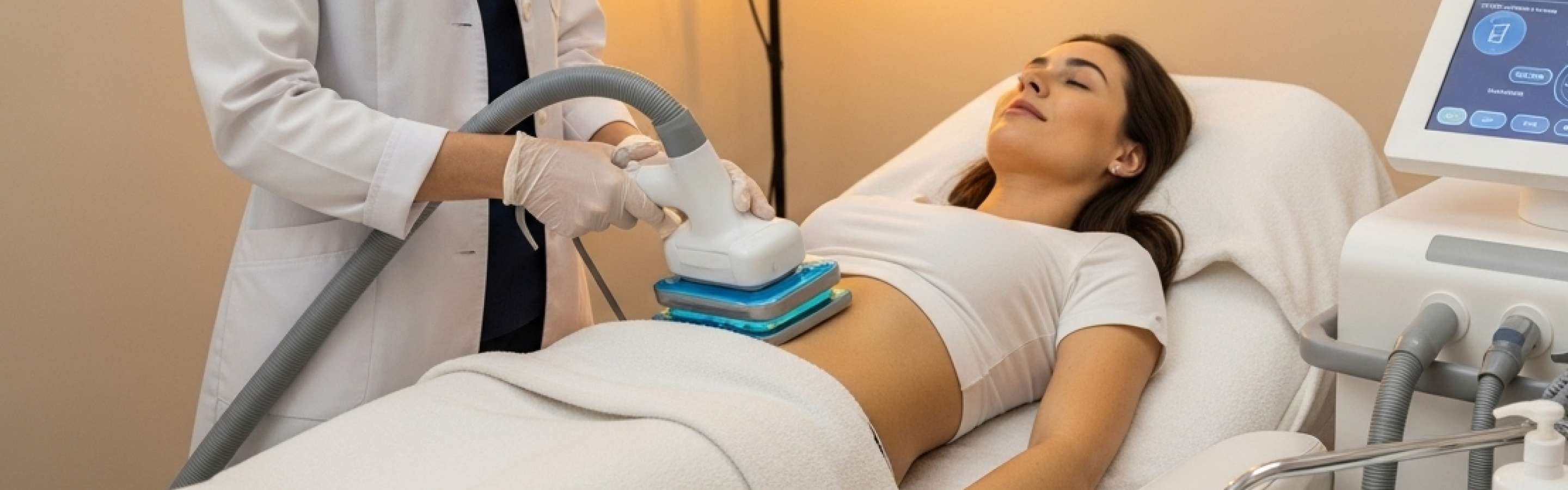
How Fat Removal is Applied in Practice
The journey begins with a thorough consultation with a board-certified plastic surgeon or dermatologist. During this session, the practitioner assesses your health, discusses your aesthetic goals, and determines your candidacy for a procedure. An ideal candidate generally has good skin elasticity, is a non-smoker, is at a stable weight, and has realistic expectations about the outcome.
Based on the evaluation, a customized treatment plan is developed. For instance, a patient looking to reduce love handles might be an excellent candidate for non-invasive cryolipolysis over several sessions. Someone seeking a more significant change in their abdominal contour might opt for liposuction. The choice of procedure depends on the amount of fat to be removed, the target area, budget, and tolerance for downtime. Authoritative bodies like the American Academy of Dermatology Association (https://www.aad.org) provide guidance on what to expect and how to choose a qualified provider.
Clinics for Fat Removal Procedures in the USA
| Clinic/Practice Name | City | State | Website |
| Plastic Surgery & Dermatology of NYC | New York | NY | plasticsandderm.com |
| Dermatology Institute of Southern California | Los Angeles | CA | dermsurgery.net |
| Michael Howard Plastic Surgery | Chicago | IL | drmichaelhoward.com |
| The Aesthetic Center for Plastic Surgery (ACPS) | Houston | TX | mybeautifulbody.com |
| University of Miami Health System | Miami | FL | umiamihealth.org |
Cost of Fat Removal Procedures
The cost of fat removal varies significantly based on the procedure type, the provider's expertise, the size of the treatment area, and geographic location within the United States. Non-surgical options may seem less expensive per session, but multiple treatments are often needed.
| Procedure | Northeast | South | Midwest | West |
| Liposuction | $4,500 - $9,000 | $3,500 - $7,500 | $3,800 - $8,000 | $4,800 - $9,500 |
| CoolSculpting | $2,500 - $4,500 | $2,000 - $4,000 | $2,200 - $4,200 | $2,800 - $4,800 |
| Kybella | $1,500 - $2,500 | $1,200 - $2,000 | $1,300 - $2,200 | $1,600 - $2,800 |
Disclaimer: The prices listed above are estimates per treatment area and are for informational purposes only. They do not constitute a final price. Actual costs can vary widely. Please consult with a qualified provider for an accurate quote based on your individual needs.
How to Choose the Right Fat Removal Method
Selecting the best procedure requires careful consideration. Follow these steps to make an informed decision:
- Define Your Goals: Be clear about what you want to achieve. Are you looking for a subtle refinement or a dramatic transformation?
- Research Thoroughly: Learn about the different surgical and non-surgical options, including their processes, recovery times, and potential results.
- Consult a Professional: Schedule consultations with board-certified plastic surgeons or dermatologists. Ask about their experience, view before-and-after photos, and discuss the risks and benefits of each recommended procedure.
- Evaluate Downtime and Budget: Consider how much recovery time you can afford and what your budget is. Factor in the possibility of multiple sessions for non-surgical treatments.
- Check Credentials: Ensure your provider is certified by a reputable board, such as the American Board of Plastic Surgery.
Common Mistakes and Misconceptions
Several myths surround fat removal that can lead to unrealistic expectations and disappointment.
- Myth: Fat removal is a tool for major weight loss.
- Fact: It is designed for body contouring and removing localized fat, not for shedding significant pounds.
- Myth: The results are permanent, regardless of lifestyle.
- Fact: While the treated fat cells are gone for good, the remaining fat cells can still expand if you gain weight. A healthy lifestyle is essential to maintain results.
- Myth: Non-surgical methods are completely risk-free.
- Fact: Although lower-risk than surgery, non-invasive procedures can still have side effects like temporary swelling, bruising, redness, or rare complications.
Risks, Limitations, and Sensitive Aspects
Every medical procedure carries potential risks. Surgical risks include infection, scarring, anesthesia complications, and contour irregularities. Non-surgical procedures can cause temporary pain, numbness, or skin sensitivity. A rare but serious side effect of cryolipolysis is paradoxical adipose hyperplasia (PAH), where the treated fat area gets larger instead of smaller.
It's also important to understand the limitations. Results are not always perfectly symmetrical, and some individuals may require touch-up procedures. Patients must have a healthy body image and undergo these procedures for themselves, not to meet someone else's expectations. The U.S. Food & Drug Administration (https://www.fda.gov) provides safety information on medical devices used in these treatments.
Integrating the Topic into Daily Life
Maintaining the results of a fat removal procedure is a long-term commitment. The best way to preserve your new contour is by adopting a sustainable, healthy lifestyle.
- Balanced Diet: Focus on a diet rich in whole foods, lean proteins, and vegetables to prevent new fat accumulation.
- Regular Exercise: Incorporate a mix of cardiovascular and strength training exercises to maintain a stable weight and improve muscle tone.
- Stay Hydrated: Drinking plenty of water is crucial for overall health and helps with the body's metabolic processes.
- Follow Post-Procedure Instructions: Adhering to your doctor's aftercare guidance is critical for proper healing and optimizing your results.
FAQ
Is fat removal permanent?
The fat cells that are destroyed and removed from the body are gone permanently. However, if you gain weight, the remaining fat cells in the treated area and other parts of your body can grow larger.
How much downtime is required for liposuction?
Downtime for liposuction typically ranges from a few days to a week for desk jobs, though strenuous activities should be avoided for several weeks. Swelling and bruising can persist for a month or more.
Are non-surgical fat removal methods painful?
Most patients report minimal discomfort. You may feel sensations of intense cold, heat, pulling, or tingling during the procedure, but these are generally well-tolerated. Discomfort afterward is usually mild and temporary.
Who is an ideal candidate for these procedures?
The ideal candidate is a healthy individual who is at or near their ideal body weight but has specific pockets of stubborn fat that do not respond to diet and exercise. They should also have good skin tone and realistic expectations.
Conclusion
Fat removal procedures, both surgical and non-surgical, offer effective solutions for contouring the body and eliminating stubborn fat. The key to a successful outcome is choosing the right procedure, finding a qualified provider, and committing to a healthy lifestyle to maintain the results. By weighing the costs, risks, and benefits, you can make an empowered decision that aligns with your personal aesthetic goals.
Sources & Useful Links
- American Society of Plastic Surgeons: https://www.plasticsurgery.org
- American Academy of Dermatology Association: https://www.aad.org
- U.S. Food & Drug Administration (FDA): https://www.fda.gov
Disclaimer
All content on croxy.io is provided for informational purposes only and does not constitute professional advice or recommendations. We do not guarantee the accuracy or completeness of the information; any actions based on it are taken at your own risk. croxy.io is not responsible for the content, services, or privacy policies of third-party resources linked from this site. By using this website, you agree to these terms. Learn more in our privacy policy.